Many dogs eat too fast. Pet owners worry about choking, vomiting, bloating, and poor feeding habits. Buyers also worry about choosing the wrong product.
Slow feeder bowls are good for many dogs because they help slow down eating, add feeding control, and support better daily routines. For pet product buyers, slow feeders are also practical, easy-to-explain, and strong products for retail, wholesale, and private-label pet supplies.
Slow feeders are not just another style of dog bowls. They are problem-solving feeding products. A slow feeder bowl can help pet owners manage dogs who eat too fast, and it can help retailers build a stronger feeding category.
At PetNivo Tech, we look at a slow feeder dog bowl from two angles. First, we check whether the product is useful for dogs and pet owners. Second, we check whether the product is suitable for overseas B2B buyers, such as wholesalers, distributors, pet supplies stores, Amazon sellers, Shopify brands, and private-label companies.
A good dog slow feeder should be safe, easy to clean, stable, practical, and suitable for different dog sizes. It should also be easy to explain in product listings, store displays, and online ads.
What Are Slow Feeders and Why Do Dogs Use Them?
Many pet owners know their dog eats fast, but they may not know which product can help. This creates a clear market need.
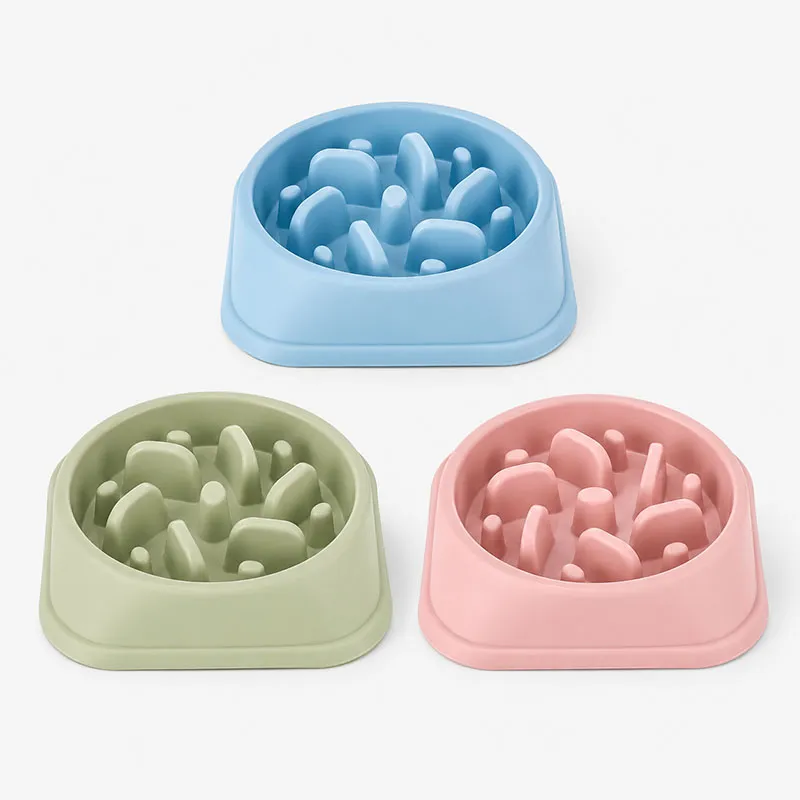
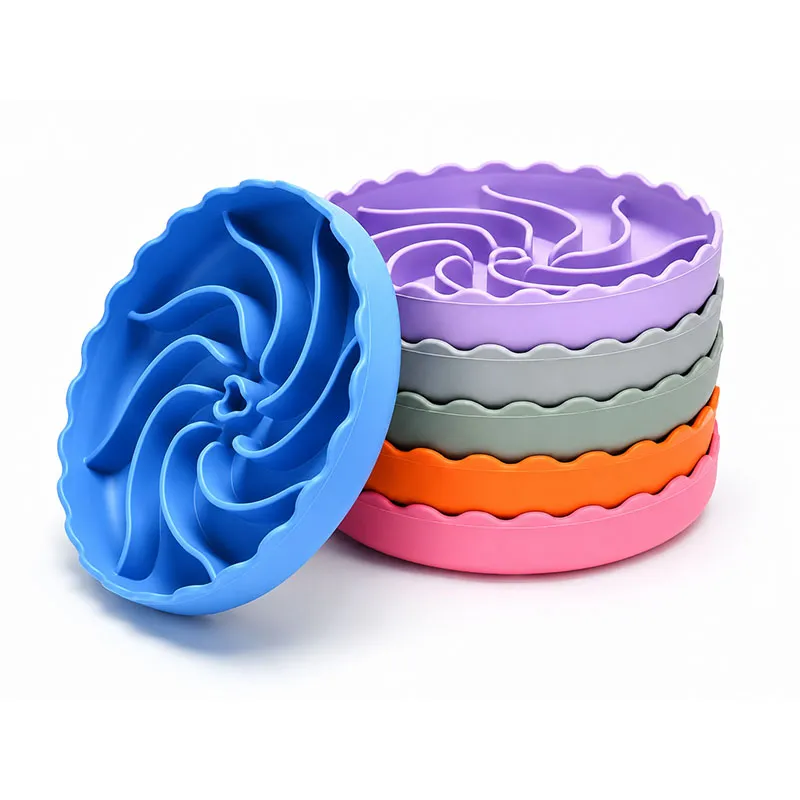
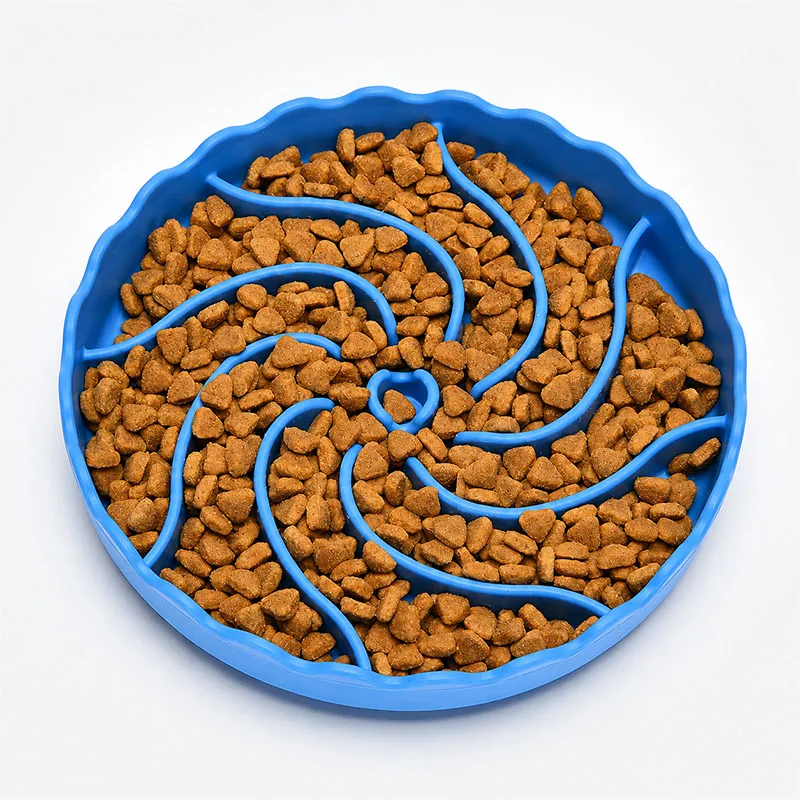
Slow feeders are dog bowls designed with ridges, mazes, or raised patterns that make dogs eat more slowly than they would from a regular food bowl.
Slow feeder bowls are designed to make mealtime more controlled. A normal dog bowl allows food to sit in one open space. A slow feeder bowl spreads the dog food around grooves, ridges, or small channels. This makes the dog work a little more to reach the food.
This design can help your dog slow down their eating. It can also give light mental stimulation for your dog during meals. Many dogs enjoy searching around the bowl because the feeding process feels more active than eating from a flat bowl.
For B2B buyers, this product is easy to understand. The product solves a simple problem: dogs who eat too fast. That makes slow feeders useful for pet supplies retailers, online sellers, and distributors.
| Product Type |
Main Use |
Buyer Value |
| Regular dog bowls |
Basic feeding |
High demand, simple use |
| Slow feeder bowl |
Slower eating |
Strong problem-solving value |
| Elevated dog bowl |
Higher feeding position |
Good for specific user needs |
| Silicone dog bowl |
Flexible and easy storage |
Good for travel and outdoor use |
| Dog feeder puzzle |
Feeding plus enrichment |
Higher engagement product |
Slow feeder bowls come in many shapes, materials, and difficulty levels. Some bowls are simple and shallow. Some bowls have deeper maze designs. Some are better for small dogs, while others are better for large dogs.
A buyer should not treat every slow feeder dog bowl as the same product. The right slow feeder depends on dog size, food type, eating habits, and sales channel.
For example, a pet store may need a few easy-to-use designs that customers can understand quickly. An Amazon seller may need a more visual product that looks attractive in listing images. A private-label buyer may need custom color, logo, and packaging options.
Are Slow Feeders Good for Dogs Who Eat Too Fast?
Dogs who eat too fast can create real concern for owners. Fast eating can look harmless, but it may lead to messy and stressful mealtimes.
Slow feeders may help dogs who eat too fast by making food harder to grab quickly, which gives the dog time to chew properly and finish meals more slowly.
Fast eating is one of the main reasons pet owners look for slow feeders. Some dogs swallow food too quickly. Some dogs barely chew. Some dogs push their face into the bowl and finish a meal in seconds.
Veterinary sources note that rapid eating is among factors associated with increased risk of gastric dilatation-volvulus, also called bloat or GDV, although the overall risk depends on many factors such as breed, body type, age, feeding habits, and history.
This does not mean a slow feeder bowl is a medical product. It is not a treatment. It is not a promise against health problems. But a slow feeder can help manage one common feeding behavior: eating too fast.
The available evidence on fast eating and GDV risk is mixed, but one veterinary evidence review notes that slowing eating is not shown to increase GDV risk and may possibly reduce risk. Another small study summary found that go-slow feeding bowls reduced eating speed, though dogs may get quicker after experience with the device.
For pet product buyers, this creates a careful but useful marketing angle. The product should not make exaggerated medical claims. Instead, the message should focus on practical daily feeding support.
Good wording for product pages includes:
- Helps slow down your dog’s eating
- Encourages a calmer mealtime routine
- Makes meals more engaging
- Suitable for dogs who eat quickly
- Helps pet owners manage portion feeding
Bad wording should be avoided:
- Prevents bloat completely
- Cures digestive problems
- Guaranteed health improvement
- Suitable for every dog without exception
This matters because overseas buyers need safe and responsible product copy. A retailer or e-commerce brand should describe slow feeder bowls clearly, but not overpromise.
What Are the Benefits of Slow Feeders for Pet Owners?
Many buyers want products with clear user benefits. If the benefit is hard to explain, the product is harder to sell.
The benefits of slow feeders include slower eating, better meal control, more feeding engagement, less mess for some dogs, and stronger product appeal for pet supplies stores.
The first benefit is simple. Slow feeders encourage dogs to eat more slowly. This is the main reason pet owners invest in a slow feeder. The ridges or maze pattern force dogs to move their mouth around the bowl instead of swallowing large amounts of food at once.
The second benefit is routine. Many pet owners want feeding to feel more controlled. A slow feeder bowl can help make the meal last longer. This gives the dog time to chew properly. It also helps owners feel that mealtime is more organized.
The third benefit is mental activity. Many slow feeders are designed with patterns that make dogs search for food. This does not replace training or play, but it can add light enrichment. For dogs that eat quickly because they are excited, this can make feeding feel more focused.
The fourth benefit is product category value. Slow feeder dog bowls are easy for retailers to sell because the problem is obvious. A customer can understand the product in seconds. That is useful for pet supplies stores and e-commerce listings.
| Benefit |
Pet Owner Value |
B2B Buyer Value |
| Slower eating |
More controlled feeding |
Easy product message |
| Maze design |
More meal engagement |
Strong visual selling point |
| Different sizes |
Better fit for dog types |
Wider customer coverage |
| Easy cleaning options |
Better daily use |
Lower complaint risk |
| Custom colors |
Better brand style |
Good for private label |
Slow feeder bowls can also work well with related feeding products. Buyers can build a feeding product line with dog bowls, dog water bowls, dog food bowls, puppy bowls, lick mats, dog feeder puzzle products, pet silicone bowls, and automatic dog feeder products.
This is important for wholesalers. A single slow feeder bowl may sell well, but a full feeding category creates more value. Buyers can offer basic bowls, slow feeders, silicone bowls, elevated bowls, and smart feeding products together.
Which Dogs Need a Slow Feeder Bowl?
Some customers may ask whether every dog needs a slow feeder. The answer should be clear, practical, and honest.
Not every dog needs a slow feeder bowl, but dogs who eat too quickly, swallow food without chewing, vomit after meals, or seem overly excited around food may benefit from one.
Every dog has a different feeding style. Some dogs eat slowly and calmly. Some dogs rush through meals. Some dogs guard food. Some dogs eat fast because they lived with competition before. Some dogs just love food too much. Classic dog behavior. Zero shame.
Signs your dog might need a slow feeder include very fast eating, gulping food, coughing during meals, vomiting soon after food, or acting too excited at feeding time. A dog may also benefit from a slow feeder if the owner wants to make meals more engaging.
For product buyers, this section is useful for product descriptions and FAQ content. It helps customers decide whether the product fits their dog. It also reduces unrealistic expectations.
Dogs who may need a slow feeder
- Dogs who eat too fast
- Dogs who swallow dry kibble quickly
- Dogs who push food around aggressively
- Dogs who seem bored during meals
- Dogs who need more feeding control
- Dogs new to slow feeding products
Dogs who may not need one
- Dogs that already eat slowly
- Dogs with special mouth or dental issues
- Dogs that become frustrated easily
- Dogs using wet or raw dog food without a compatible bowl
- Dogs under veterinary feeding instructions
A slow feeder won’t be the right answer for every dog. This is why buyers should offer different designs. A simple bowl for dogs with mild fast-eating habits may work better than a very complex maze. A deeper design may work for dogs that need a stronger challenge.
Retailers can explain this with a simple product guide. For example:
| Dog Type |
Suggested Product |
| Puppy |
Shallow puppy bowl or simple slow feeder |
| Small dog |
Small slow feeder bowl |
| Medium dog |
Standard slow feeder dog bowl |
| Large dog |
Larger and more stable slow feeder |
| Excited eater |
More structured maze bowl |
| Beginner dog |
Easy pattern slow feeder |
This product guidance helps pet owners choose with confidence. It also helps sellers reduce returns because customers can match the right slow feeder bowl to their dog’s actual eating style.
What Type of Slow Feeder Dog Bowl Should Buyers Choose?
A product may look nice, but buyers need more than appearance. They need a bowl that fits real market use.
The type of slow feeder matters. Some bowls are made for small dogs. Some bowls are made for large dogs. Some designs are shallow. Some designs are deep. Some bowls can be used for dry food only. Some may also work with wet food, depending on material and structure.
The bowl is made with different materials in the market. Common options include plastic, silicone, stainless steel, and mixed-material designs. Buyers should check the target price and use case before choosing. Plastic designs are often colorful and easy to shape into maze patterns. Silicone can feel soft and flexible. Stainless steel can feel durable but may offer fewer maze-style shapes.
Buyers should also check the bottom design. A slow feeder dog bowl should stay stable during use. If the dog pushes it around too much, the owner may get annoyed. A non-slip base can improve the feeding experience.
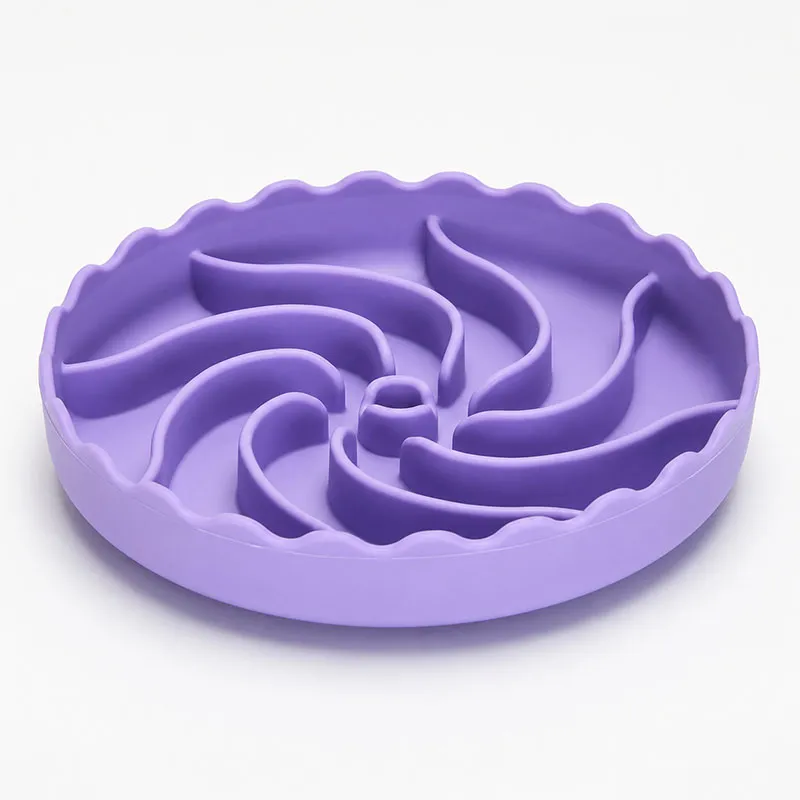
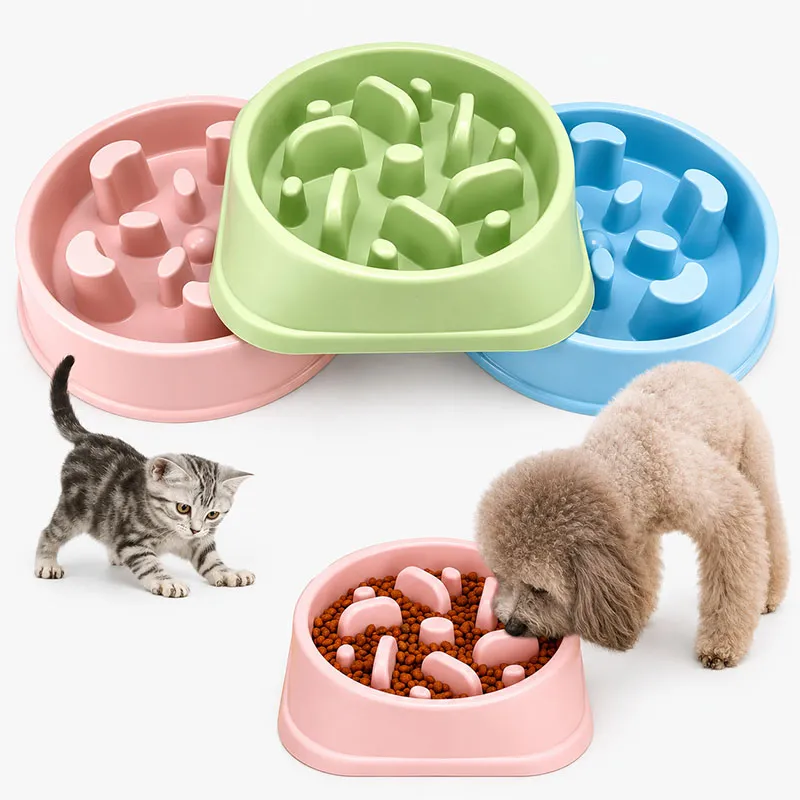
Cleaning is another key point. A bowl with deep, narrow grooves may slow the dog more, but it may also be harder to clean. A product that is hard to clean can create bad reviews. That matters a lot for online sellers.
| Selection Factor |
Why It Matters |
| Size |
Matches small dogs, medium dogs, or large dogs |
| Maze difficulty |
Controls how slow the dog will eat |
| Material |
Affects durability, safety, price, and cleaning |
| Bowl depth |
Affects food capacity and dog comfort |
| Non-slip base |
Helps keep your dog from moving the bowl |
| Packaging |
Supports retail display and e-commerce delivery |
| Color options |
Supports private-label branding |
| Cleaning design |
Reduces customer complaints |
For B2B sourcing, the best slow feeder is not always the most complex one. The best slow feeder is the product that matches the buyer’s target customer.
A pet store may need a simple slow feeder dog bowl that customers can understand immediately. An e-commerce seller may need a more eye-catching design for images and videos. A private-label brand may need a custom mold, special color, or branded packaging. A distributor may need stable supply and mixed-product ordering.
At PetNivo Tech, we suggest buyers choose the right slow feeder through sales channel first, not just price first.
Are Slow Feeder Dog Bowls Good for Small Dogs and Large Dogs?
Some buyers want one product for all dogs. That sounds simple, but pet product sizing rarely works that way.
Slow feeder dog bowls can be good for both small dogs and large dogs, but buyers should match bowl size, groove depth, food capacity, and stability to the dog’s body size.
Small dogs and large dogs use feeding bowls differently. Smaller dogs may need shallow bowls and softer patterns. If the maze is too deep, the dog may feel frustrated. Large dogs may need wider bowls with stronger bases. If the bowl is too light, the dog may push it across the floor.
This is why slow feeder bowls for dogs should not be selected only by appearance. Buyers need size logic. A small, colorful bowl may look nice online, but it may not work for a large dog. A large maze bowl may look impressive, but it may not fit smaller dogs.
For retailers, this creates an opportunity. A product page can guide users by dog size. This makes the buying process easier. It also helps customers feel that the seller understands pet needs.
| Dog Size |
Buyer Recommendation |
Product Notes |
| Small dogs |
Small or shallow slow feeder |
Avoid deep grooves |
| Medium dogs |
Standard slow feeder bowl |
Balance capacity and difficulty |
| Large dogs |
Large, stable slow feeder |
Check non-slip base |
| Puppies |
Simple puppy bowl design |
Easy access is important |
| Strong eaters |
More stable design |
Avoid light bowls |
An elevated dog feeding setup may also be relevant for some customers, but buyers should be careful with health claims. The goal is to match product function with user needs. If a dog needs a special feeding position, the owner should follow veterinary advice.
For B2B buyers, size range is very important. A distributor can carry small, medium, and large slow feeder dog bowls to serve more customers. An e-commerce brand can offer size variations on one listing. A private-label buyer can start with one common size and later expand into a full size range.
Slow feeder dog bowls come in many styles, so buyers should plan their product line before ordering. A smart product mix can include beginner bowls, deeper maze bowls, puppy bowls, silicone options, and larger stable bowls for strong eaters.
What Are the Slow Feeder Dog Bowl Pros and Cons?
A strong article should not only praise the product. Buyers need a balanced view before sourcing.
Slow feeder dog bowl pros include slower eating, better engagement, and strong retail value. Cons may include cleaning difficulty, wrong-size selection, and frustration for some dogs.
Every product has a set of pros and cons. A slow feeder bowl is useful, but it is not perfect for every dog. This honest view helps B2B buyers create better product pages and better customer support.
Slow feeder dog bowl pros
Slow feeders are designed to help dogs eat more slowly. That is the core value. The product also gives pet owners a simple way to improve mealtime structure. Many customers do not want complicated pet devices. They want a bowl that works as soon as they place food inside.
Slow feeders can also make meals more interesting. The ridges and patterns encourage your dog to eat with more focus. This can be helpful for dogs that eat too quickly or get bored.
For retailers, slow feeder bowls are easy to sell because the buyer pain point is clear. The customer does not need a long education process. They can understand the product from one image.
Slow feeder dog bowl cons
Some slow feeders may be hard to clean. Deep maze patterns can trap food. This matters if the customer uses wet food. A bowl that looks great but is hard to wash can cause complaints.
Some dogs may become frustrated. A dog to get used to a slow feeder may need time. Introducing a slow feeder too suddenly can make some dogs confused.
Wrong sizing is also a problem. If the bowl is too small, large dogs may struggle. If the pattern is too deep, smaller dogs may dislike it. If the base is too light, strong dogs may move it around.
| Pros |
Cons |
| Helps slow eating |
Some designs are harder to clean |
| Easy to understand |
Not suitable for every dog |
| Good retail display product |
Wrong size may cause frustration |
| Useful for fast eaters |
Wet food compatibility varies |
| Strong private-label potential |
Quality must be checked carefully |
For buyers, the answer is not to avoid slow feeders. The answer is to choose better slow feeders and explain product fit clearly.
How Can Retailers and E-Commerce Sellers Position Slow Feeders?
Some sellers list slow feeders as basic bowls. That wastes the product’s real value.
Retailers and e-commerce sellers should position slow feeders as practical feeding solutions for dogs who eat too fast, not just as decorative dog bowls.
Positioning matters. If a slow feeder bowl is presented only as a bowl, customers may compare it with cheap regular dog bowls. If it is presented as a feeding solution, customers can understand the value more clearly.
For pet supplies stores, slow feeders can be placed near dog food bowls, dog water bowls, lick mats, puppy bowls, and dog feeder puzzle products. This creates a feeding and enrichment zone. It also helps customers compare products easily.
For e-commerce sellers, product images should show the problem and solution. One image can show a dog eating too fast from a regular bowl. Another image can show eating from a slow feeder. A third image can explain grooves, size, material, and cleaning.
For Amazon sellers and Shopify brands, slow feeder bowls can also support bundle sales. A product bundle may include a slow feeder bowl, pet silicone bowl, lick mat, and dog water bowl. This creates more value than selling one item alone.
Suggested product page angles
| Page Section |
Suggested Focus |
| Hero title |
Slow feeder bowl for dogs who eat too fast |
| Product benefit |
Designed to slow eating and support calmer meals |
| Size guide |
Choose by dog size and food type |
| Material section |
Explain cleaning and durability |
| Use case |
Home feeding, puppy feeding, daily pet care |
| B2B angle |
Wholesale, OEM/ODM, private label, bulk supply |
For wholesalers, slow feeders can become part of a larger wholesale pet supplies category. Buyers can offer basic dog bowls, slow feeder bowls, silicone dog bowls, automatic dog feeder products, dog water dispenser products, and pet feeder accessories.
This creates a stronger product structure for B2B sales. It also helps the buyer serve different customer budgets.
At PetNivo Tech, we suggest buyers avoid selling slow feeders as random single items. The better strategy is to connect them with pet feeding, pet enrichment, and everyday pet care.
How Should Buyers Introduce a Slow Feeder to Dogs?
A product can be good, but the user still needs guidance. Clear instructions can reduce complaints.
When introducing a slow feeder, pet owners should start with a simple design, watch how the dog reacts, and allow the dog to get used to it gradually.
Introducing a slow feeder is not difficult, but it should be done with care. Dogs new to slow feeders may need time. Some dogs understand it quickly. Some dogs may paw at the bowl. Some dogs may walk away at first. That does not always mean the product failed.
A seller can help your dog associate the bowl with a positive meal by giving your dog time to explore it. Pet owners can start with a small amount of food. They can also use an easier pattern before trying a more complex design.
Using the slow feeder with dry kibble is usually easier than using sticky wet food. If customers want to use wet food or raw dog food, they should choose a bowl that is easy to clean and suitable for that food type.
Simple user guide for product pages
- Place a small amount of food in the bowl first.
- Encourage your dog to eat without pressure.
- Watch how your dog uses the bowl.
- Check whether the groove depth is suitable.
- Clean the bowl after use.
- Choose another type of slow feeder if the dog is too frustrated.
This type of instruction can be added to packaging inserts, product pages, Amazon A+ content, or private-label manuals.
For B2B buyers, user guidance reduces customer service problems. If the owner understands how to use a slow feeder bowl, they are less likely to complain that the dog does not understand it immediately.
Using slow feeder dog bowls should feel simple. A good product should not require a long learning process. But giving clear instructions helps the owner use the product correctly from the first day.
How Can PetNivo Tech Support Slow Feeder Bowl Sourcing?
Many buyers can find slow feeders online, but finding the right supplier, product mix, and customization plan takes more work.
PetNivo Tech supports slow feeder bowl sourcing for overseas B2B buyers through product selection, wholesale supply, OEM/ODM options, private-label packaging, and mixed pet supplies sourcing.
At PetNivo Tech, we understand that buyers need more than one product image and a price. A wholesaler needs stable supply. A distributor needs a product line. A pet store needs retail-friendly products. An Amazon seller needs strong images and clear selling points. A private-label brand needs custom style and packaging.
We help buyers look at slow feeders as part of a full pet feeding category. This category may include slow feeder bowls, dog bowls, dog water bowls, dog food bowls, puppy bowls, silicone bowls, lick mats, dog feeder puzzle products, automatic dog feeder products, pet automatic feeder models, and smart pet feeder options.
This matters because overseas buyers often need a complete product line. A single item may not support long-term growth. A product group can help buyers test more markets and build stronger catalog value.
What buyers can source with PetNivo Tech
| Category |
Product Examples |
| Feeding essentials |
dog bowls, dog food bowl, puppy bowl |
| Slow feeding |
slow feeder bowl, slow feeder dog bowl |
| Enrichment feeding |
lick mat, dog feeder puzzle |
| Smart feeding |
automatic dog feeder, smart pet feeder |
| Drinking products |
dog water bowl, dog water dispenser |
| Private-label options |
logo, color, packaging, product set |
We also support buyers who want custom packaging and OEM/ODM projects. For many e-commerce brands, packaging matters because the product must look ready for the market. For retailers, product labels and box design can affect shelf appeal. For distributors, carton packing and mixed products can affect shipping efficiency.
A good slow feeder line should be practical, easy to clean, easy to explain, and easy to reorder. That is the kind of product PetNivo Tech wants to help buyers build.
FAQs About Slow Feeder Bowls for Dogs
Are slow feeder bowls good for dogs?
Yes, slow feeder bowls are good for many dogs who eat quickly. They help slow eating by making the dog work around ridges or maze patterns. They are especially useful for pet owners who want more controlled mealtimes.
Does every dog need a slow feeder?
No, every dog does not need a slow feeder. Dogs that already eat slowly may not need one. Dogs who eat too fast, gulp food, or seem too excited during meals may benefit more from a slow feeder bowl.
What is the best slow feeder for dogs?
The best slow feeder depends on dog size, eating speed, food type, and owner needs. Small dogs may need shallow bowls. Large dogs may need wider and more stable bowls. B2B buyers should choose based on target market.
Can slow feeders be used with wet food?
Some slow feeders can be used with wet food, but not all designs are easy to clean. Buyers should choose smooth, washable materials if customers may use wet food or raw dog food.
Are slow feeder bowls safe for puppies?
A slow feeder bowl can be suitable for puppies if the design is shallow, easy to access, and not too difficult. Puppy products should focus on comfort, safety, and easy cleaning.
Do slow feeders replace training?
No, slow feeders do not replace training. They are feeding tools. Pet owners should still watch how their dog eats and ask a veterinarian if they have health concerns.
Conclusion
Slow feeder bowls are practical products for dogs and strong sourcing opportunities for pet supplies buyers when size, design, material, and market fit are chosen carefully.








 May 26, 2026